Shaun Levin

Evidence of the Attempt

In Writing on April 18, 2025 at 8:41 am

Writing happens in the grasping for language, the clinging and clawing to find the precise words. At the heart of the attempt is the knowledge that we’ll fail. Writing is translating, is approximation. When that attempt at likeness shows, when we see, but more than see, when we feel that attempt, writing becomes exciting. Evidence of that effort, that endeavour doomed to fail, because most of life does not happen in language, is where the excitement of writing exists, and because of that in the reading, too.

The tunnel of translation runs from the body to the page. You can feel that electric wire, that conductor of the current, evidence of the struggle to put into words. First comes the world, then come language. First the body, then language, first hunger, then language, first love. To write is to get as close as possible to the point before sensation turns into words. There was the visual, there was the sensation. Then language tries to do its work, and we cling to our faith that the right words can be found, the precise words. That’s when it gets exciting, when faith and knowing work side by side. Evidence of the mind in its belief and trying.

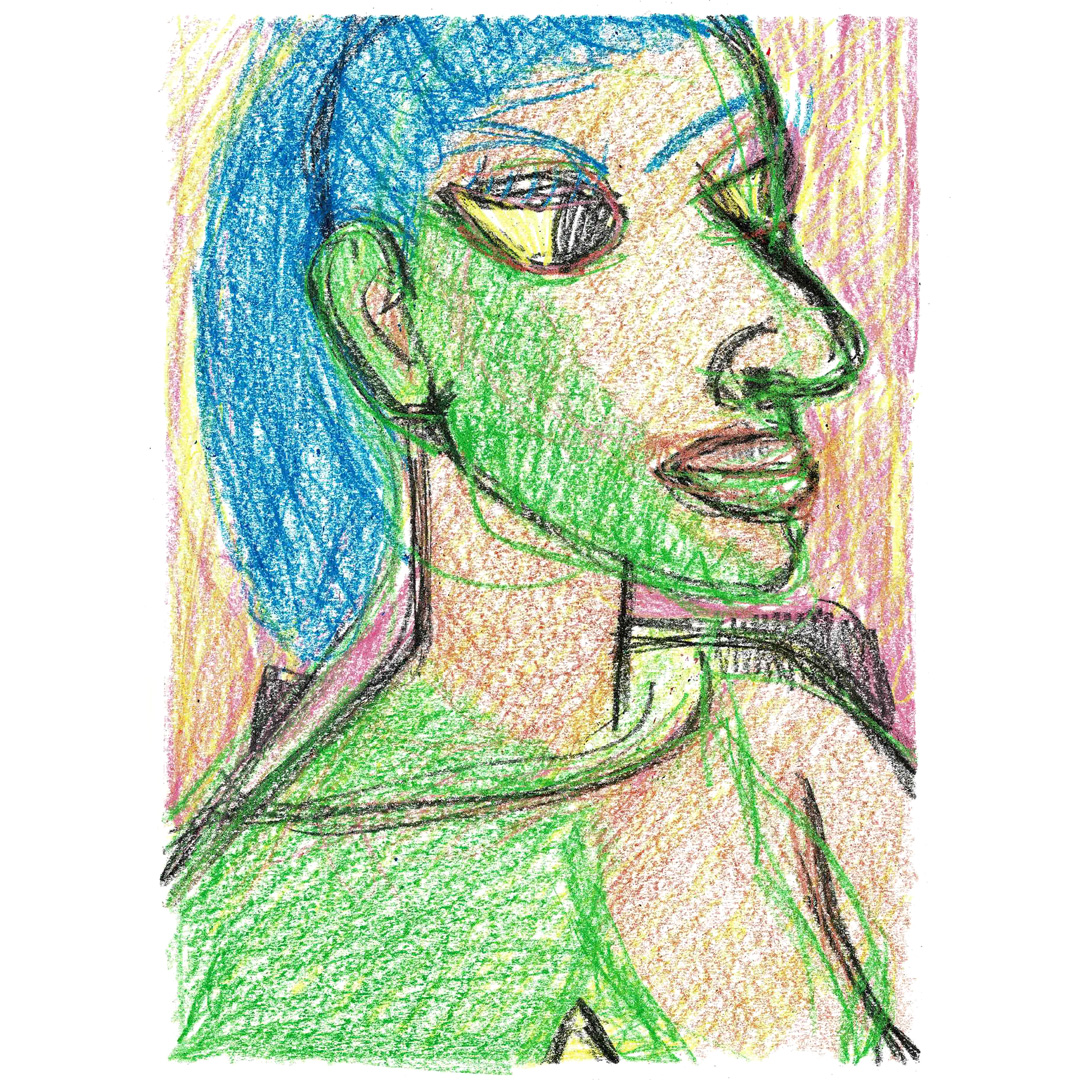
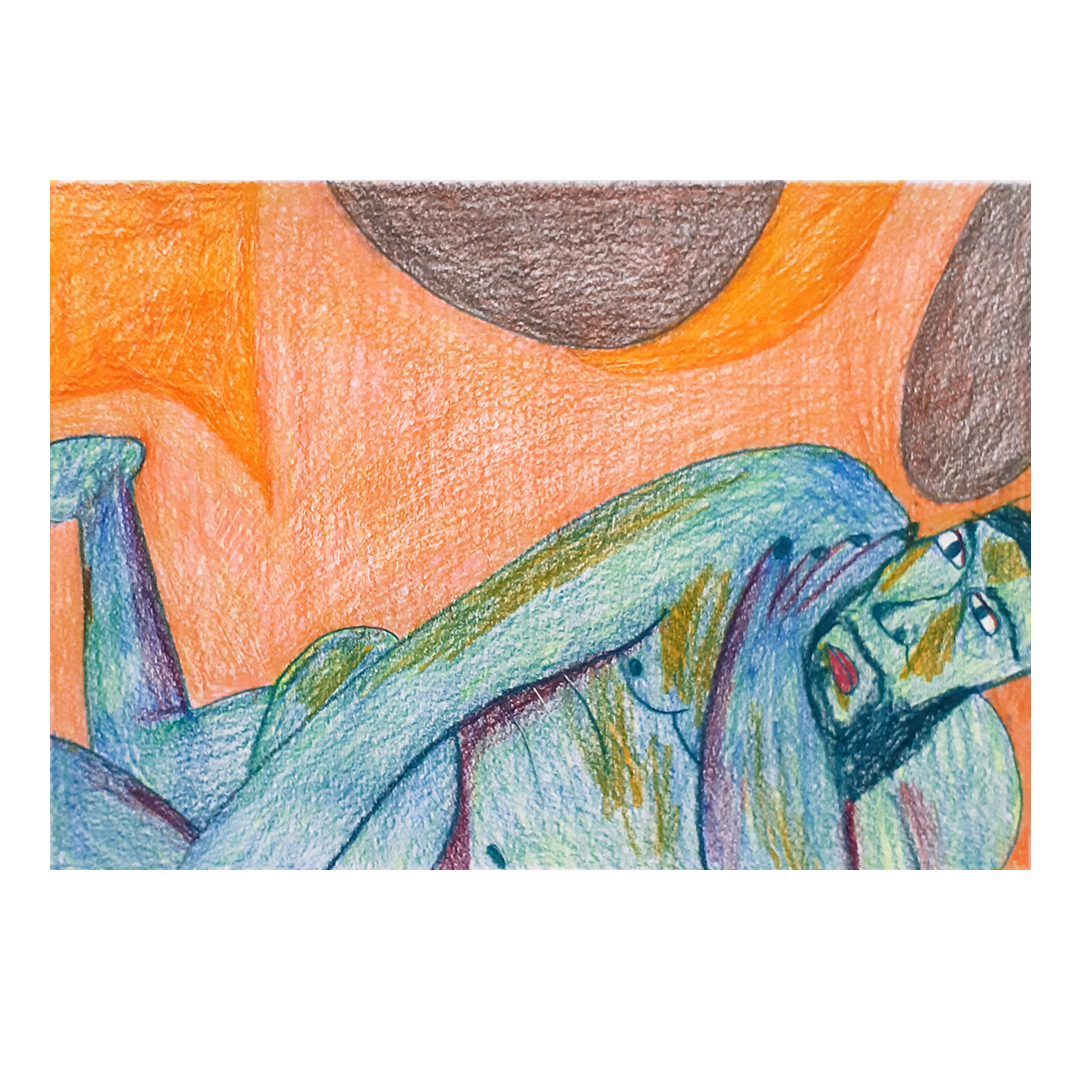
Drawing and painting is exciting when it’s not precise, when there’s evidence of the mind at work, evidence of the body free of its learning, its training, when the training has been absorbed and forgotten and all there is is freedom. Language is always a learned thing, never entirely free, grappling to be precise and to forget itself. A tension between going towards the experience where there’s no language and yet relying on language to get there. Just one more step, keep going, and language will disappear and be pure experience, pure sensation, pure colour, pure shape, taste, form.
Style

In Uncategorized, Writing on October 28, 2022 at 10:44 am

Your style is where you fell short but kept going anyway.

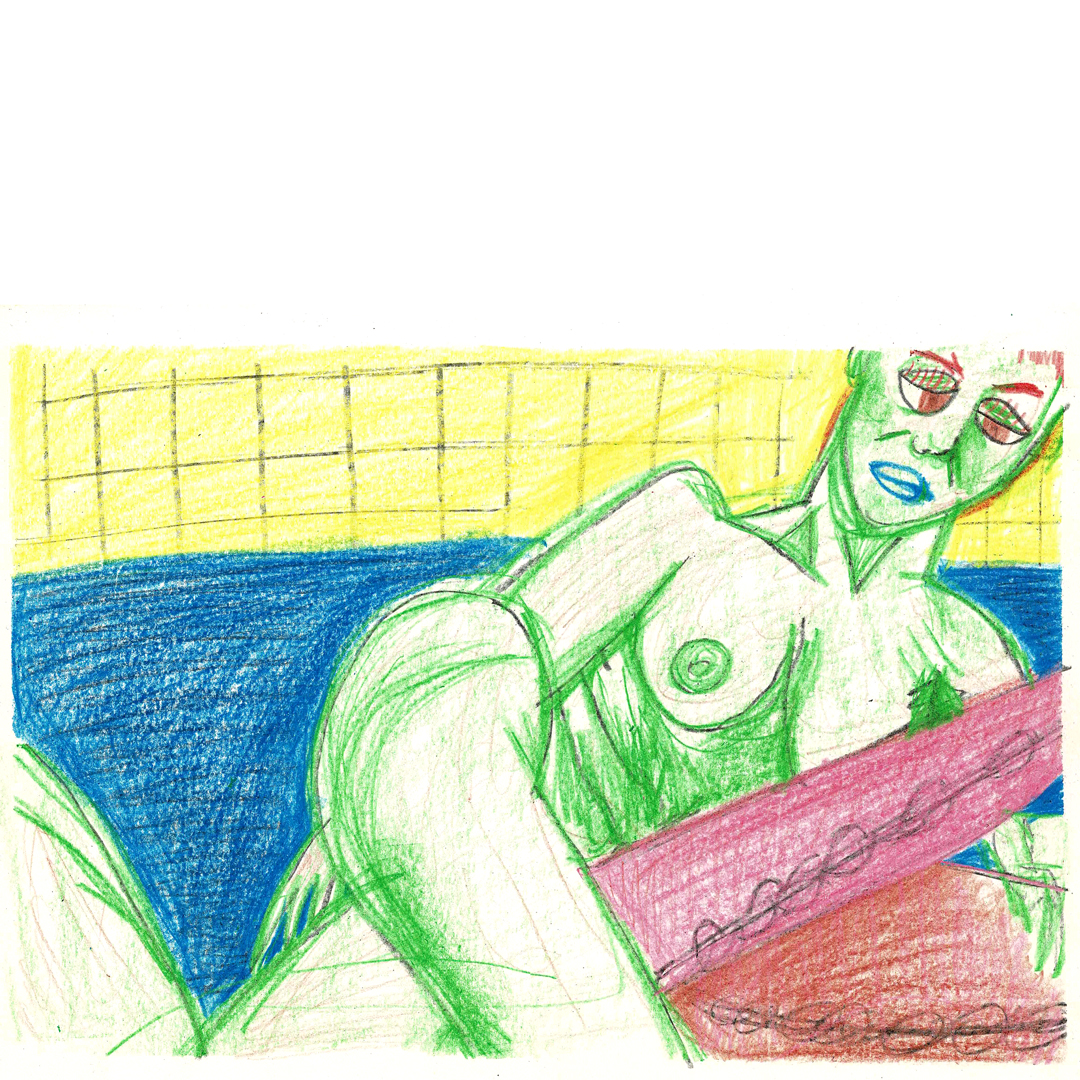
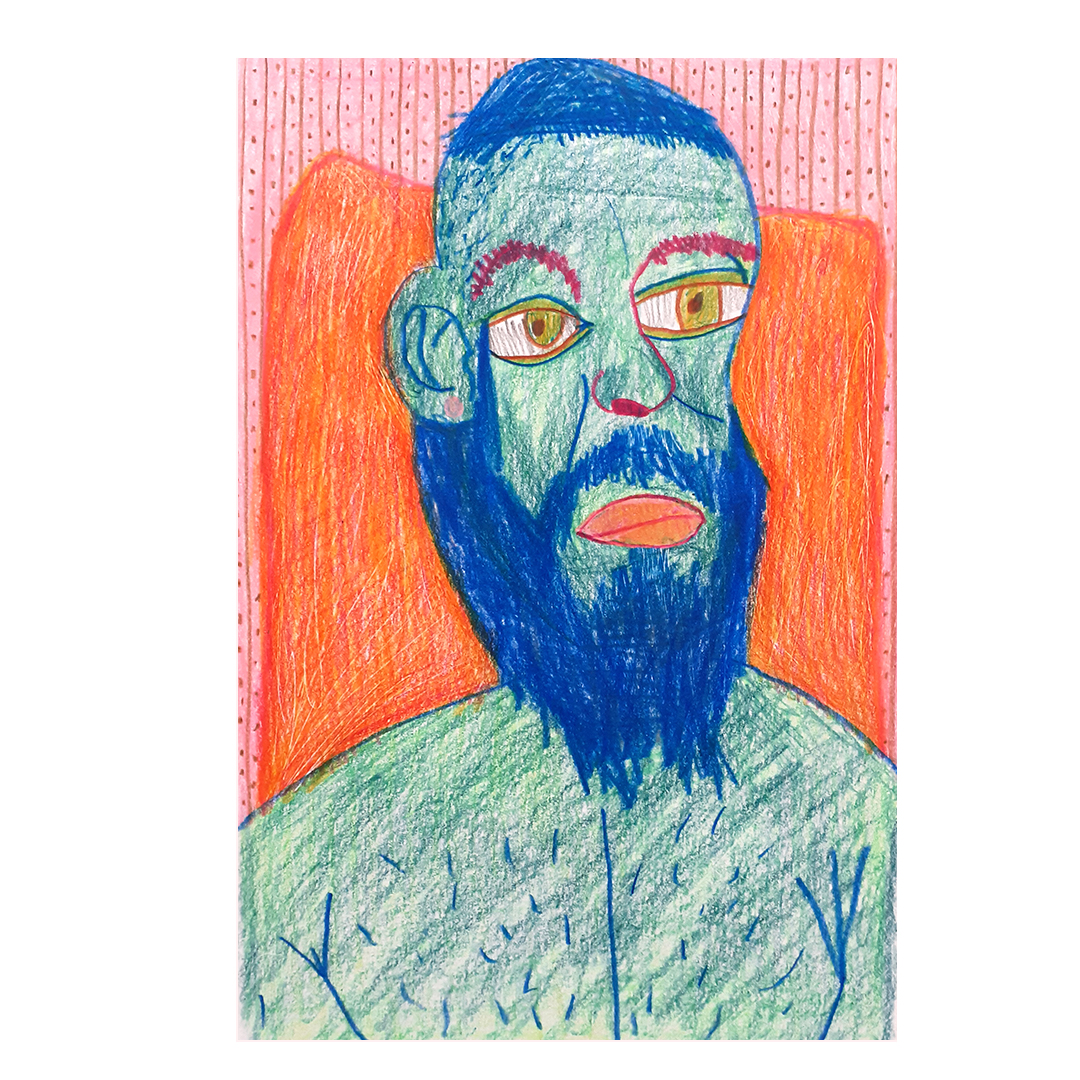
I’m not sure that’s true but at the moment it feels like it might be. You aimed for something and you couldn’t do it but what remains is the thing they call style. I say this because someone said “I like your style” and I thought: Style? I can’t even draw! I’ve been learning to draw. At the moment it’s life drawing. I attend regular life drawing classes online and I fall short.

I want to draw the human figure the way the human figure should be drawn, the way it’s drawn in what I guess you’d call traditional ways. Of course, there are also moments when I think, no, that’s not what I want. I just want to have fun and play. I want to see what I can do with what I have, with what comes naturally (if there is such a thing). Maybe that’s what style is. If you’re having fun, that’s probably a sign you’re writing or drawing or painting in a way you feel at home in. Despite and maybe because of that nudging nagging feeling that I should be doing it properly. I should be writing great family sagas, historical dramas, doing what Jane Austen did, what Dostoevsky did, what VS Naipaul did, what all those robust writers did. Big grand novels. What Caravaggio did, Virginia Woolf, even, Picasso, even, if you look at his earlier work, at Hilma af Klint’s earlier work. But you look at their earlier work, even the work of Kandinsky, for example, and you realise that what they were doing at the beginning was not their style, or at least the style they are known for.

Style is the opposite of tradition. Or a conversation with tradition. Or a refuting of tradition, a skill for those who once did it the traditional way. At some point we thought that’s what writing should be. Traditional. Tradition was all we had to refer to, at least most of the time. It’s what everyone was doing so should we be doing it too, writing like that, drawing like that, painting like that. As I gradually immerse myself in the world of drawing and illustration (not yet painting, still not) I feel how there is much more room for the non-traditional, in a way that I’m not sure writing or literature has many examples of. Maybe it’s to do with how we think of language, what we expect when we open a book, what you can actually do in a book made up of only words.

Sometimes I feel like that I can’t draw, not in the traditional way, not with much skill. When it comes to writing it’s a bit more complex. I studied literature. I read a lot, more in teh past than now, but still. Question: Is the link between looking at paintings and painting per se (I love that expression: per se! So archaic, such chubby cheeks to pinch) the same as reading is to writing? Maybe looking closely at paintings for the past many years has been some kind of groundwork, some kind of permission to play and to tell myself that this might be my style, and then to keep doing it, and by doing it become better at it.

Form

In Writing on June 13, 2022 at 10:09 am

There is something about the novel, about the short story, but mainly the novel, that’s always moving towards resolution towards solving putting things in order and the illusion that this is what writing is for, to give form to existence to anxiety to the internal world to make sense. What if there is no shape what if there is no deep longing for form, that a form must be found to reflect the no-sense of existence, that there isn’t always a longing for comfort. But I’m not sure I follow you, I’m not sure I’m saying what I mean. The writing itself will find its form like water will find its flow. Yes, it’s nice if there’s a dam, nice if there’s a canal and a lock and an irrigation system, but what if you follow the water what if you let the water flow as it wants to flow, do what it wants to do and let that be the shape, let nature dictate the shape, the internal world (the closest we get to nature) create the shape. My god it’s hot and I’m sitting here writing and sweating and even with the AC on evidence of our triumph over nature I can barely breathe it is so hot and sticky and I feel ugly and fat and untouchable sat in the blobbiness the wobbliness of thoughts, the melting and resistance of ugliness and what is the form? Ugliness. What is the form of ugliness if we let it find its own flow everything merging together the messiness and the anxiety and the beauty and the clear and vague the shaped and unshaped, the diffuse, the sharp, to put them together for all of that to live together and that is the form the form is the mess (the complexity, okay, the complexity) of existence and that is what the novel wants to fix to shape into something nice to move towards nice make order out of ugly but what if there is no order what if you don’t need order if you don’t need to calm and comfort by making up stories what if I create something that is messy and ugly and that’s all there is, but the creating is the triumph, the creation is the grace, the making is the AC, the showing of that the exposing of that without the movement towards order towards comfort towards reassurance. Art as an act of survival not as a sense-making, order-making effort. How do you survive? By art. To put everything into one place, the writing, the sketching, the photographs, the poems, the memories, all of that into one place because all of that exists together (in nature) and we are here (here I am) so intent on the segregation of the gestures of expression, the creative outlets, and what would happen if everything went into one place, if everything was there and nothing was left out? I’m thinking of a particular project as I write this, a project about a place, a block of flats I lived in for twelve years, and the different ways to tell that story all the different elements that want to go into that story, the story of one building in one city on an island. Stories and photographs and illustrations and architectural drawings and memories to piece together a time, not to bring order but to remember to document to archive to hold onto to let go and not let go, to put to use, not to waste seeing as we’ve made a choice to make art our survival mechanism and everything is sustenance.

To explore: The writer as hoarder and declutterer.